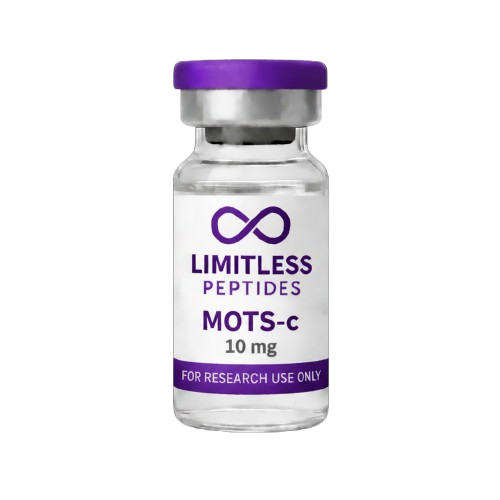
MOTS-c
A mitochondrial peptide used for metabolism, energy and endurance.
Available options
Free Omniva delivery on orders over €50.00.
Free Omniva delivery on larger orders. Pay and confirm on Telegram after you place the order.
Bundles with MOTS-c
Longevity Stack
Cellular energy and healthy ageing.
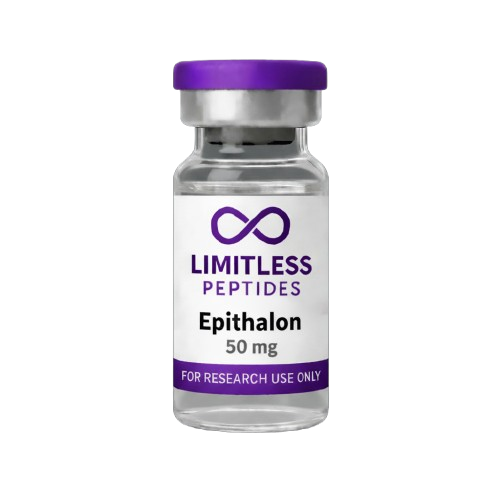
- Epithalon 50mg€90.00
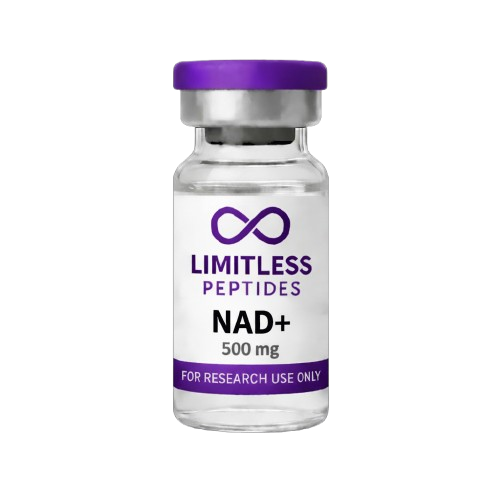
- NAD+ 500mg€60.00
- MOTS-c 10mg€70.00
Metabolic Stack
Weight, energy and metabolism.
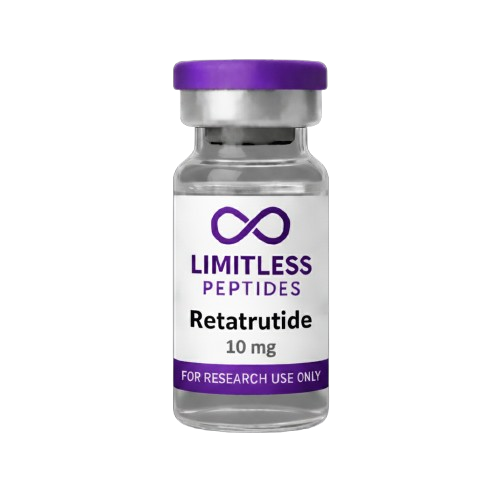
- Retatrutide 10mg€90.00
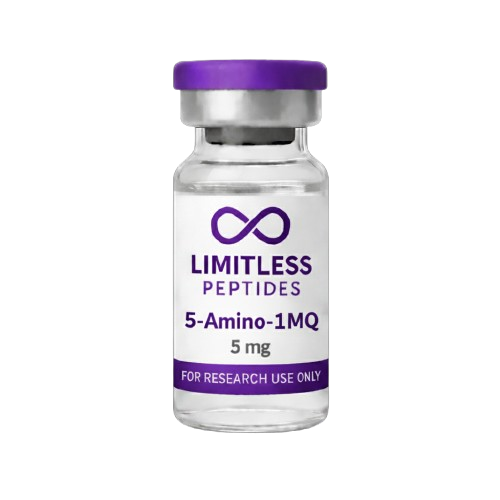
- 5-Amino-1MQ 5mg€45.00
- MOTS-c 10mg€70.00
What is it?
MOTS-c is a mitochondrial-derived peptide used for energy, metabolism and endurance. It is sometimes called an exercise mimetic because of how it is discussed in relation to activity and metabolic health.
Why people choose it
- Used for metabolism and energy
- Used by endurance athletes
- Discussed as an exercise mimetic
- Available in two sizes
What is it used for?
- Metabolism and energy
- Endurance and stamina
- Body composition support
- Longevity routines
How it works
MOTS-c comes from the mitochondria, the parts of the cell that produce energy, and is linked to how the body manages energy and metabolism.
Good to know
- Available in two sizes.
- Often stacked with NAD+.
- Used alongside training.
Dose calculator
Enter a few details to see an illustrative protocol for this peptide.
Vials/pens to cover the full cycle at this dose.
How a typical cycle is structured over time (for reference).
Each pack includes one peptide vial + a 3 ml bacteriostatic water vial. Add the amount of water shown down the vial wall, then set your U-100 insulin syringe to this mark for each dose.
Dosage protocol
Mixing amounts, dose steps and syringe draw volumes for this peptide.
Optional extension to 16 weeks
Mixing (reconstitution)
| Vial | Add BAC water | Concentration | 1 unit (0.01 ml) |
|---|---|---|---|
| 10 mg | 3.0 ml | 3.33 mg/mL | 33.3 mcg |
| 40 mg | 3.0 ml | 13.33 mg/mL | 133.3 mcg |
Dosing schedule
Vial: 10 mg
| Phase | Dose | Units | Volume |
|---|---|---|---|
| Weeks 1–2 | 200 mcg | 6 units | 0.06 ml |
| Weeks 3–4 | 400 mcg | 12 units | 0.12 ml |
| Weeks 5–6 | 600 mcg | 18 units | 0.18 ml |
| Weeks 7–8 | 800 mcg | 24 units | 0.24 ml |
| Weeks 9+ | 1,000 mcg | 30 units | 0.30 ml |
Vial: 40 mg
| Phase | Dose | Units | Volume |
|---|---|---|---|
| Weeks 1–2 | 200 mcg | 1.5 units | 0.015 ml |
| Weeks 3–4 | 400 mcg | 3 units | 0.03 ml |
| Weeks 5–6 | 600 mcg | 4.5 units | 0.045 ml |
| Weeks 7–8 | 800 mcg | 6 units | 0.06 ml |
| Weeks 9+ | 1,000 mcg | 7.5 units | 0.075 ml |
Storage
- Avoid freeze-thaw cycles
Technique
- Clean the vial stopper and the skin with an alcohol swab and let both air-dry.
- Pinch a skinfold and insert the needle at 45–90° into the subcutaneous tissue.
- Do not aspirate for subcutaneous injections. Inject slowly and steadily.
- Wait 5–10 seconds before withdrawing, then apply gentle pressure. Do not rub the site.
- Rotate sites between the abdomen (at least 5 cm from the navel), thighs and upper arms to avoid lipohypertrophy.
- Use a new sterile 28–31 G insulin syringe every time and dispose of it in a sharps container.
Related peptides
NAD+
A cellular-energy molecule used for vitality and clarity.
5-Amino-1MQ
A metabolism molecule used for body composition and energy.
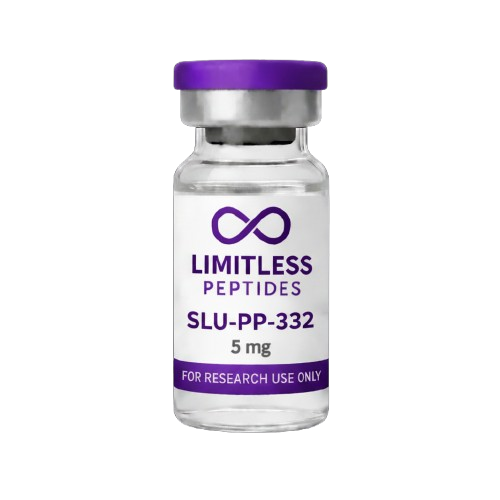
SLU-PP-332
A newer compound studied for metabolism and endurance.